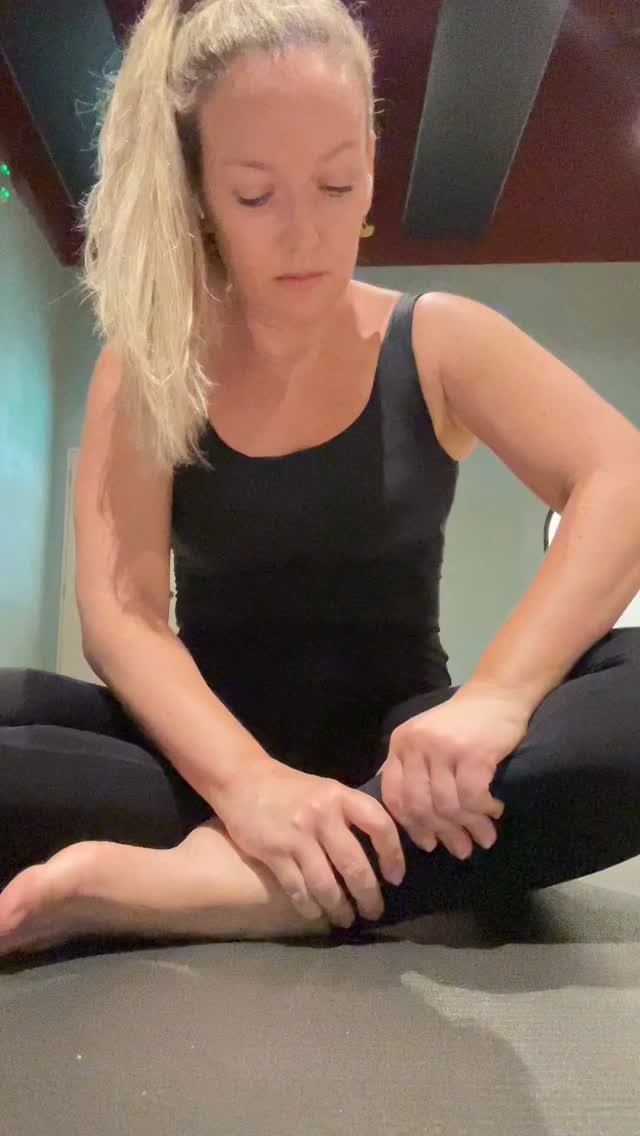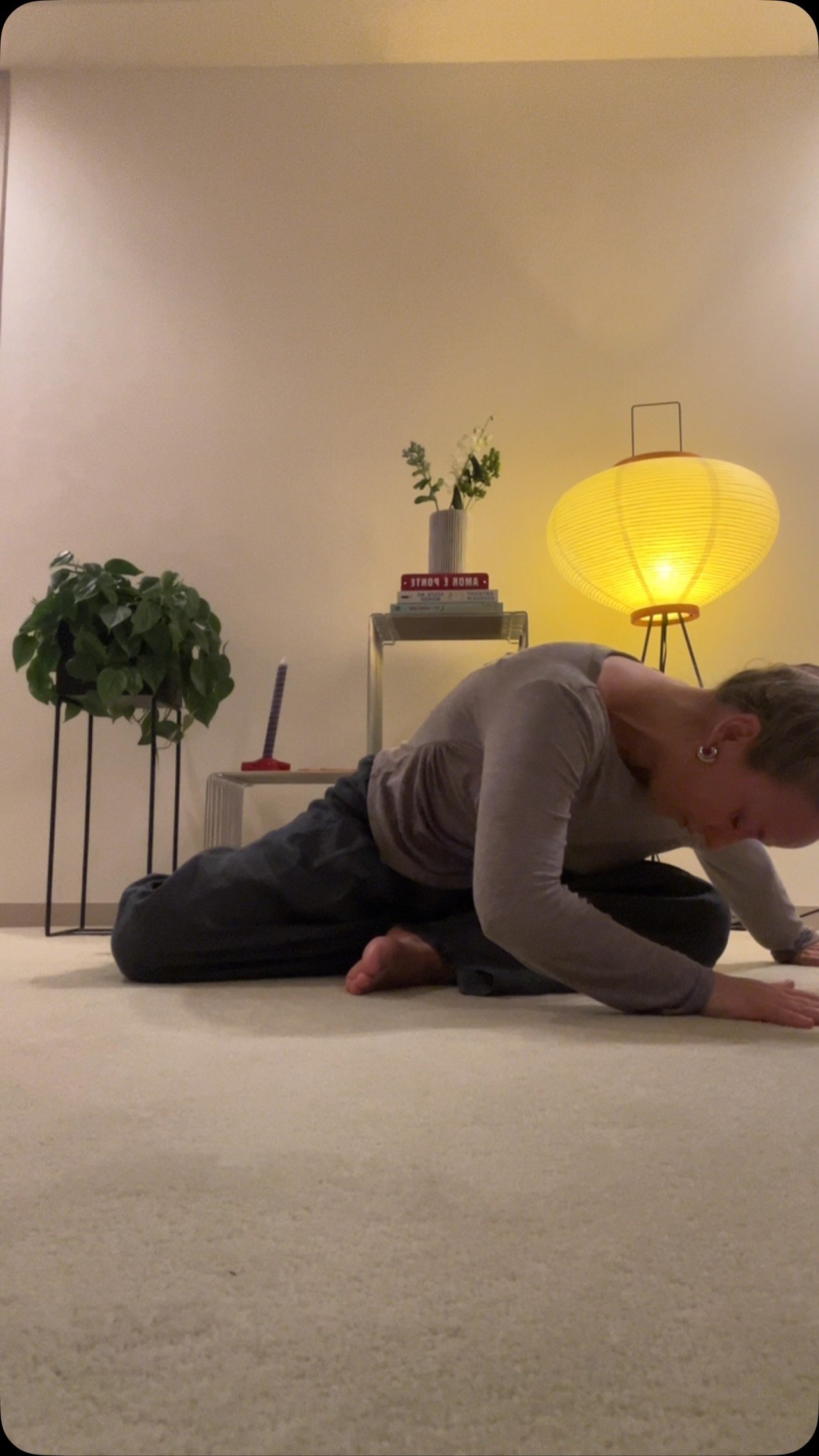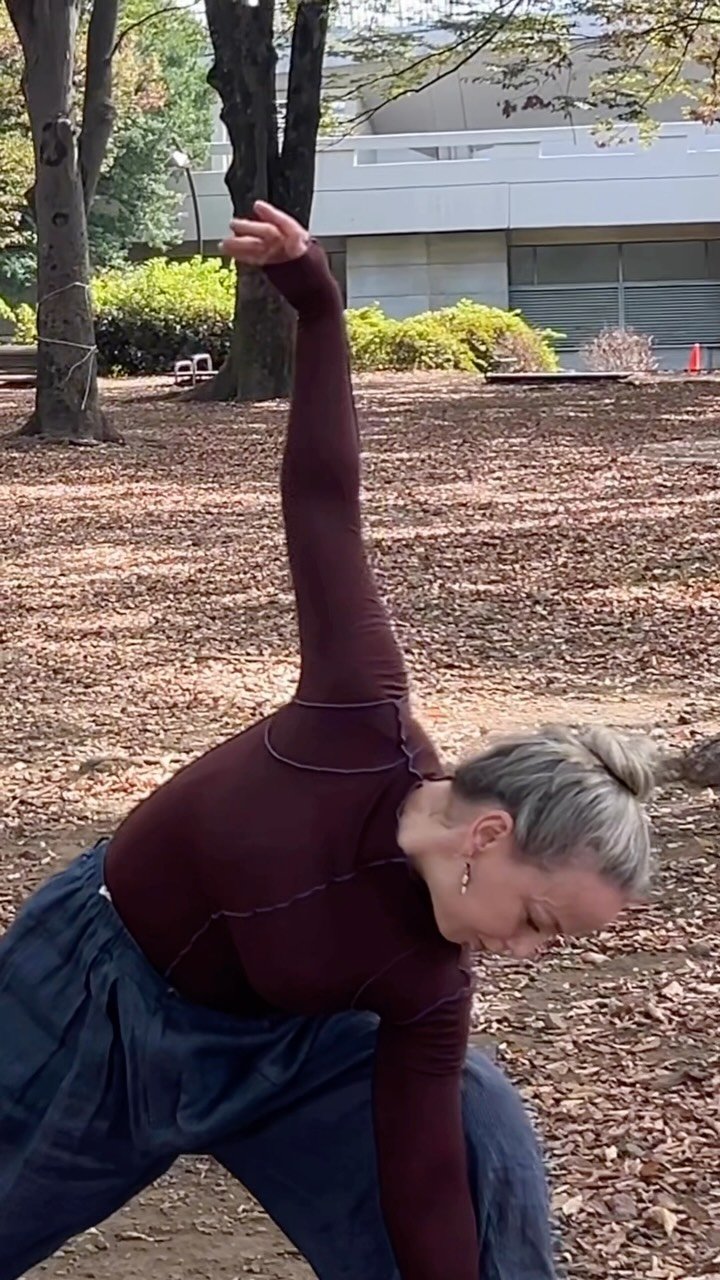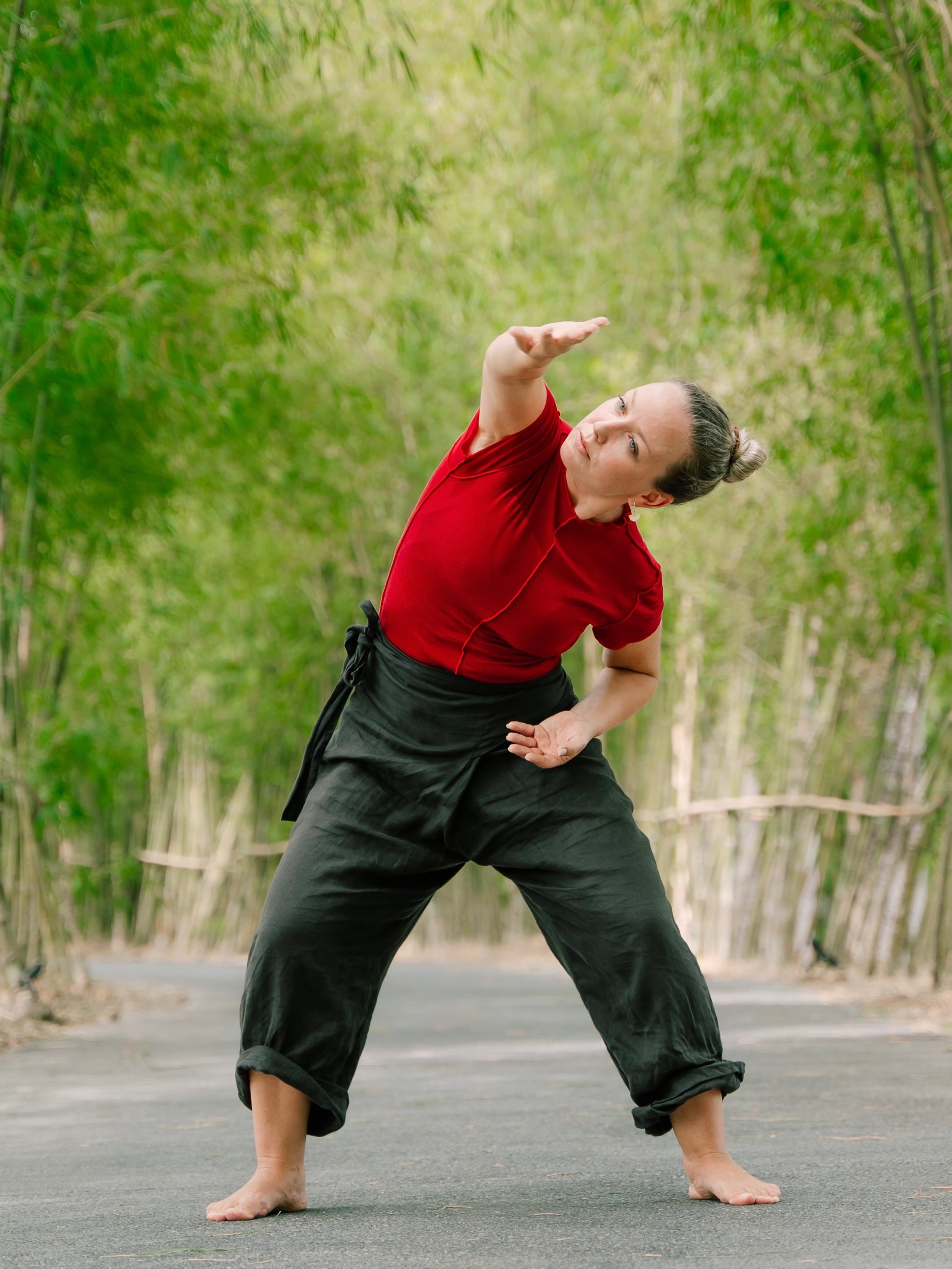
Movement as a path to understanding and caring for the body.
Discomfort does not always begin where it shows up.
My work begins with reading the body to understand what lies behind what you are feeling. I observe tension, limitations and the way the body responds to movement.
These signs can help reveal the path of pain. Understanding this path can transform the way you care for your body.
This perspective led me to create the Anima Programme, an online programme for women who feel their bodies no longer respond in the way they used to.
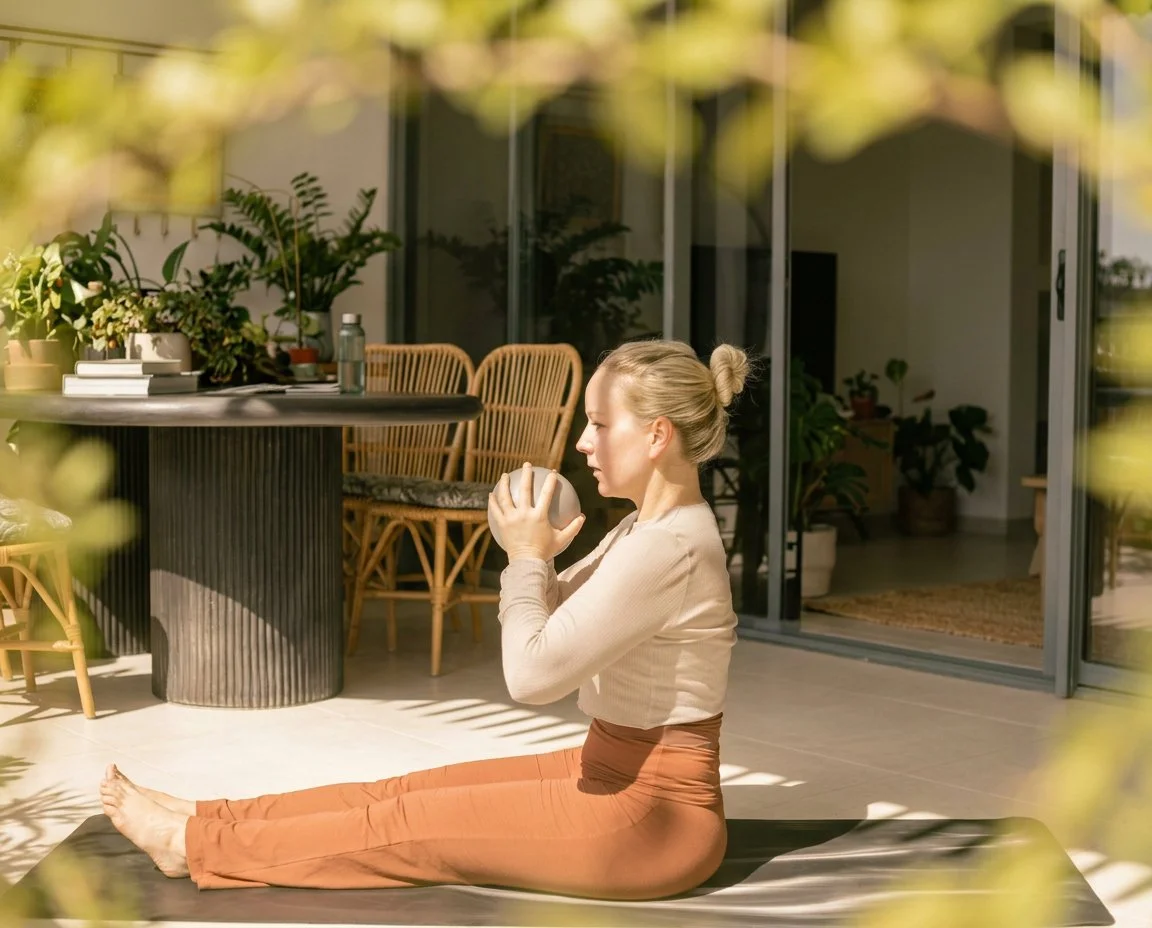
More than a series of exercises, Anima combines movement, breathing, touch and body awareness to develop mobility, flexibility and strength, helping you move with greater confidence and autonomy.
Hello, I’m Rachel.
I have been a physiotherapist for over 20 years and specialise in myofascial physiotherapy.
Through movement and manual therapy, I help you understand your discomfort and develop ways to manage it with greater autonomy and freedom of movement.
Pilates was my first great laboratory. It was where I first entered the world of movement as a form of care, working with people with different needs, some experiencing pain, others simply looking to move and exercise more effectively.
This curiosity to better understand these bodies led me to a turning point in my career: training in GDS Muscle and Joint Chains. The GDS method was created in the 1960s by Belgian physiotherapist and osteopath Godelieve Denys-Struyf.
-
GDS is based on the idea that the body carries the history of how it has been used and lived in.
This history can be seen in posture, movement, tension and muscular adaptations.
-
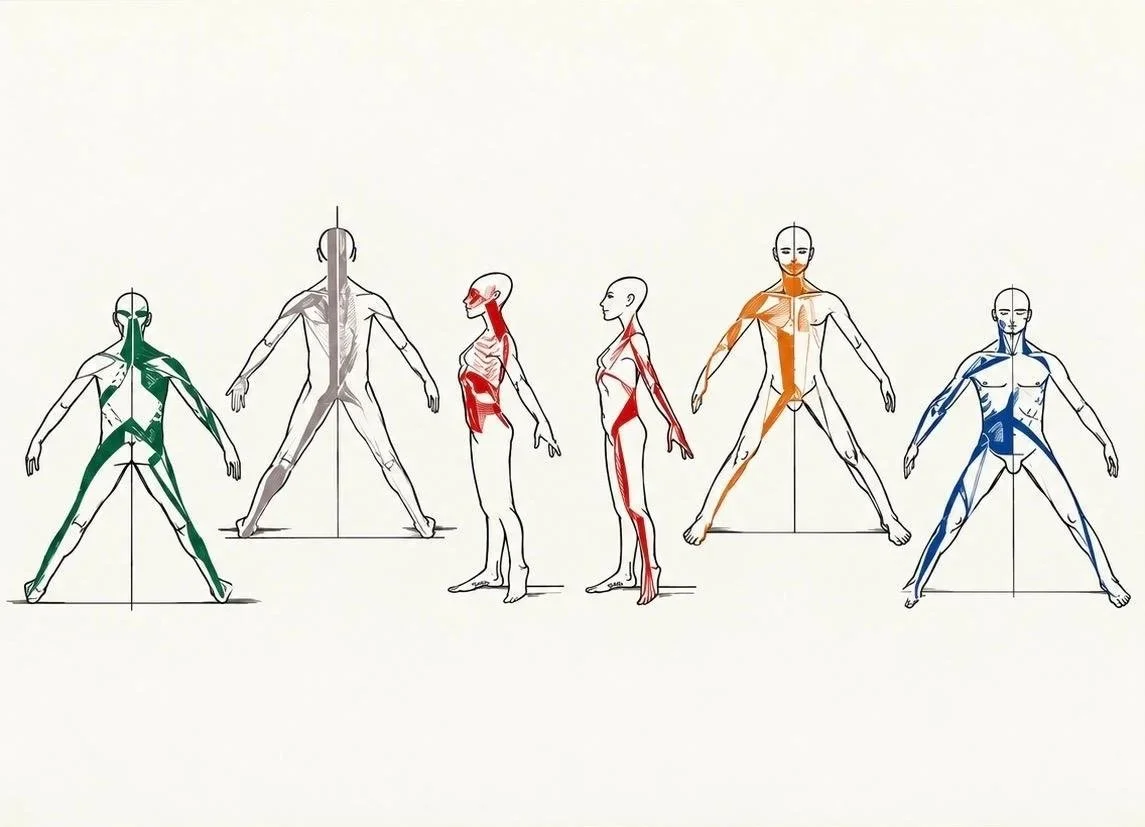
The method studies six major myofascial chains and how they combine to organise posture and movement.
This approach helps us understand the different ways in which the body structures, adapts and moves.
-
Tension, compensations and adaptations leave biomechanical patterns.
In GDS, reading these patterns helps us understand how each body organises itself and which patterns are present in the way it moves.
-
The focus is not limited to where the discomfort appears.
GDS seeks to understand the path that led the body there, identifying tensions and patterns that may be related to what the person is experiencing. This approach helps guide more individualised care.
With GDS, I learnt to read the biomechanics patterns present in posture and movement, understanding how each body organises itself, develops compensations and finds its own way of moving.
2005
The story of my relationship with movement.
Since 2005, working with bodies has given me the curious feeling that I am constantly discovering new ways of understanding them. And that is exactly what I want to share here.
2022
n 2022, I moved to Singapore with my family. Living on the other side of the world also led me to look at my work from a different perspective.
2024
In 2024, I began studying Chinese Medicine and discovered a view of the body as a series of interdependent and complementary systems, which greatly expanded on what I had already learnt.
2026
In 2026, I travelled to Vietnam to study Qigong movements, therapeutic practices rooted in Chinese Medicine that work with breathing, intentional movement and body awareness.
Shall we continue the conversation?
To follow my studies, discoveries and reflections on the body and movement, you can find me at Diário de um Corpo Inquieto.
If you have any questions about the Anima Programme, get in touch with me through the channels below.
Diário de um Corpo Inquieto
A space to talk about the body, movement, pain, change and everything I am still discovering, both professionally and through my own body.
Follow me on Instagram.